
- September 4, 2026
- By Adam Less
- In Uncategorized
- 15
- 0

September is a transition month in BC. Kids are back in school, morning commutes are busier, daylight hours are getting shorter, and those crisp mornings are a reminder that winter driving season isn’t far away. It’s also one of the best times of year to give your vehicle a quick checkup. 🚗 September Driving: Did
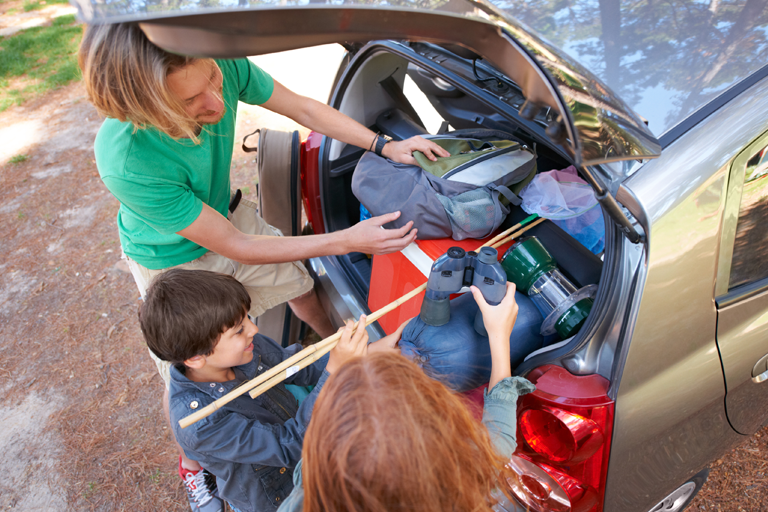
One Last Summer Road Trip? Get Your Vehicle Ready for the Road Ahead August always seems to disappear faster than expected. Before long, summer vacations give way to school schedules, morning commutes, sports practices and the return of everyday routines. But there’s still time to squeeze in one last summer road trip. Whether you’re heading

Summer is one of the best times of year for road trips, camping adventures, and exploring everything the open road has to offer. For many Canadians, that means loading up an RV, hooking up a travel trailer, and heading out for a well-earned getaway. But while RV travel creates incredible memories, it also comes with
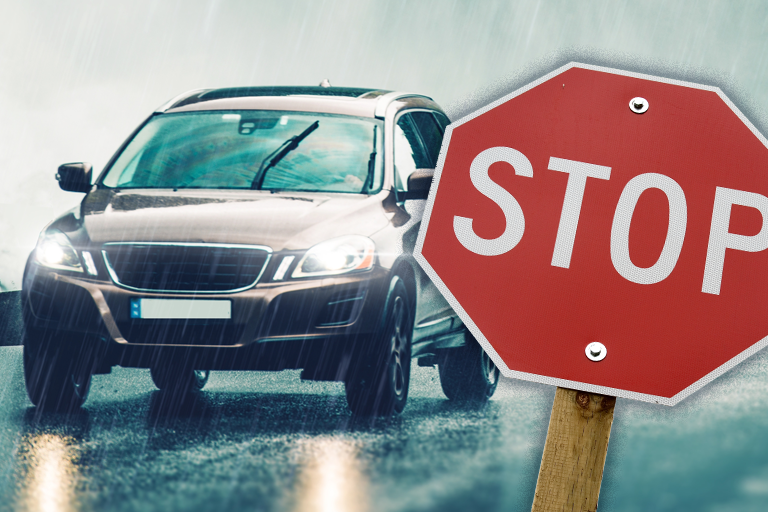
Stopping Distance: What Every Driver Should Know
This time of year in BC roads can get pretty wet. So this month, we thought we’d explore some of the driving dangers posed by rain, snow and other factors and what you can do about them.
Why Rain, Snow, and Road Conditions Dramatically Affect Stopping Distance
Most drivers know that wet or icy roads can be dangerous, but many underestimate just how much weather and road conditions affect stopping distance. Understanding these factors can help keep you, your passengers, and everyone else on the road safer.
What Is Stopping Distance?
Stopping distance is the total distance your vehicle travels from the moment you recognize a hazard until the vehicle comes to a complete stop. It consists of two parts:
Both can be affected by weather, road conditions, vehicle maintenance, and speed.
Rain Can Double Stopping Distance
When rain falls, water creates a thin layer between your tires and the road surface. This reduces traction and makes it harder for your tires to grip the pavement.
In moderate to heavy rain:
This is one reason maintaining adequate tire tread is so important.
Snow and Ice Create Major Challenges
Snow-covered roads offer much less traction than dry pavement, while ice can reduce traction to a fraction of normal levels.
Drivers should:
Even vehicles equipped with all-wheel drive still require sufficient traction to stop safely.
Gravel, Dirt, and Loose Surfaces
Loose road surfaces such as gravel, dirt, or construction zones can also increase stopping distances. Tires may slide or dig into loose material, reducing braking effectiveness and steering control.
Vehicle Condition Matters
Road conditions aren’t the only factor. Your vehicle’s condition plays a major role in stopping performance.
Key items that affect braking distance include:
The Bottom Line
A vehicle that stops comfortably in dry conditions may require much more distance to stop safely in rain, snow, or on loose surfaces. The best defense is slowing down, increasing following distance, and keeping your tires and braking system in top condition. A little extra caution can make a big difference when road conditions are less than ideal.
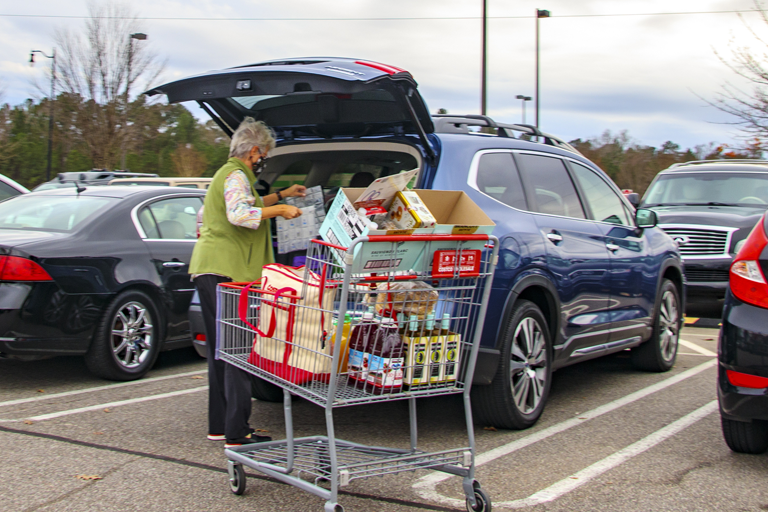
Many folks assume short trips are easier on a vehicle than long highway drives. After all, you’re only driving a few minutes to work, school, or the grocery store — that’s gotta be less work for your vehicle than some hours-long excursion across the province right?
Well, it might surprise you but short trips are actually some of the toughest driving your modern vehicle will do!
As technicians, we often see vehicles with excessive wear and maintenance issues caused not by high mileage, but by repeated short-distance driving. If your vehicle rarely gets fully warmed up, it may be working harder than you realize.
Why Short Trips Cause More Wear
When you first start your vehicle, the engine is cold and the oil hasn’t fully circulated yet. During those first few minutes:
On longer drives, the vehicle eventually warms up and burns off that excess moisture and fuel residue. But on repeated short trips, that process often never happens.
Common Problems Caused by Frequent Short Trips
Increased Engine Wear
Cold starts are one of the hardest moments for an engine. Constant short drives mean your vehicle spends more time operating before it’s fully warmed up.
Battery Problems
Your battery loses power every time you start the vehicle. On short drives, the alternator may not have enough time to fully recharge it — especially during colder BC weather.
Oil Contamination
Moisture and unburned fuel can mix with engine oil when the engine never reaches full temperature. Over time, this can reduce the oil’s effectiveness and increase engine wear.
Exhaust System Rust
Short trips allow condensation to build up in the exhaust system, which can lead to premature rust and corrosion.
Poor Fuel Economy
Vehicles use more fuel during warm-up. If most of your driving is short-distance, your fuel economy may suffer noticeably.
Signs Your Vehicle May Be Affected
Watch for these common symptoms:
How to Reduce the Impact
You don’t need to stop driving short distances completely, but a few habits can help:
The Bottom Line
Modern vehicles are designed to be driven — and sometimes they need more than quick errands around town. A simple 20–30 minute highway drive every so often can help your engine, battery, and exhaust system operate much more efficiently.
Short trips may seem harmless, but over time, they can create wear that many drivers never expect. A little preventative maintenance and awareness can go a long way toward avoiding expensive repairs later on.

As winter fades and spring rolls into British Columbia, many drivers start asking the same question: When is the right time to switch to summer tires? The answer isn’t as simple as the calendar flipping to March or April—especially in a province as diverse as BC. Just take the crazy driving conditions on the Coquihalla over the last month!
From the snowy Interior to the milder coastal regions, timing your tire change correctly can improve safety, extend tire life, and even save you money.
A common misconception is that once the snow is gone, it’s time to swap tires. In reality, the key factor is consistent temperature.
In places like the Okanagan, temperatures can swing wildly in early spring—warm afternoons followed by near-freezing nights—so timing matters. So, even though you may be driving on roads in temps well above 7°C during the day, if you plan on driving the highways at night, you may still hit snow, ice and temperatures below freezing!
BC’s geography plays a big role in your decision.
If you regularly travel over mountain passes, it’s wise to hold off a bit longer.
BC requires winter tires (or chains) on many highways from October 1 to April 30.
Here are a few indicators you’re ready to make the change:
Switching too early can put you at risk if a late-season cold snap hits. Waiting too long, however, can:
For most drivers in BC, the sweet spot is mid to late April, but it depends on your location and driving habits. When in doubt, your local auto shop can help assess road conditions and recommend the right timing.
Making the switch at the right time keeps you safer on the road—and ensures your tires last as long as possible.

When most drivers think about vehicle maintenance, they usually think of oil changes. While engine oil is certainly important, it’s only one of several lubricating fluids that keep a vehicle running smoothly. In fact, lubricants are the lifeblood of your vehicle, reducing friction, preventing overheating, protecting components from wear, and helping critical systems function efficiently.
Neglecting these fluids can lead to premature wear, expensive repairs, and reduced vehicle performance. Understanding the role of each lubricant—and when it should be checked or replaced—can help keep your vehicle reliable for years to come.
Why Lubricating Fluids Are So Important
Inside your vehicle are thousands of moving parts. Without lubrication, metal components would grind against each other, creating friction and heat that can quickly cause severe damage.
Lubricating fluids serve several important functions:
Major Lubricating Fluids in Your Vehicle
1. Engine Oil
Engine oil is the most well-known lubricant in any vehicle. It circulates throughout the engine, lubricating pistons, bearings, camshafts, and other internal parts.
It also helps:
When to Check or Change Engine Oil
Check: At least once a month or before long trips
Change: Typically every 5,000–8,000 km (3,000–5,000 miles) for conventional oil, or 8,000–12,000 km (5,000–7,500 miles) for synthetic oil (follow your owner’s manual)
Neglecting oil changes can lead to engine sludge, overheating, and eventually catastrophic engine failure.
2. Transmission Fluid
Transmission fluid lubricates the gears, bearings, and internal components of your transmission while also helping transfer power from the engine to the wheels.
In automatic transmissions, the fluid also acts as a hydraulic fluid to enable smooth gear shifts.
When to Check or Change Transmission Fluid
Signs it may need service include:
Transmission repairs can be extremely expensive, making fluid maintenance especially important.
3. Differential Fluid (Gear Oil)
The differential allows the wheels on the same axle to rotate at different speeds, which is essential when turning.
Differential fluid—often called gear oil—lubricates the gears and bearings inside the differential housing.
When to Check or Change Differential Fluid
Vehicles that tow, carry heavy loads, or frequently drive in rough conditions may need more frequent service.
4. Transfer Case Fluid (For AWD and 4WD Vehicles)
If your vehicle has all-wheel drive (AWD) or four-wheel drive (4WD), it likely includes a transfer case. This component distributes power between the front and rear axles.
Transfer case fluid lubricates the internal gears and chains.
When to Check or Change Transfer Case Fluid
Ignoring transfer case maintenance can lead to costly drivetrain damage.
5. Power Steering Fluid
Power steering fluid helps make steering smooth and easy by providing hydraulic assistance in the steering system.
Without proper lubrication and hydraulic pressure, steering can become stiff or noisy.
When to Check or Change Power Steering Fluid
Signs of trouble may include:
6. Wheel Bearing Grease
Wheel bearings allow the wheels to spin freely with minimal friction. They are packed with high-temperature grease that keeps them lubricated and protected from contaminants.
When to Check or Replace Wheel Bearing Grease
How Often Should Vehicle Fluids Be Checked?
A good rule of thumb is to have all vehicle fluids inspected during routine service visits, usually every 5,000–8,000 km or every oil change.
Regular inspections allow technicians to:
Lubricating fluids are essential to keeping your vehicle reliable, efficient, and safe. While many drivers only think about engine oil, your transmission, differential, steering system, and other components also rely on proper lubrication to function correctly.
Regular inspections and fluid changes are a simple and affordable way to prevent major mechanical problems and extend the life of your vehicle.
If you’re unsure about the condition of your vehicle’s fluids, give us a call at Big O in North Vancouver. We can provide peace of mind—and help ensure your car stays running smoothly for the road ahead.

Listen To Your Vehicle! (Squeals, Clunks, Grinds, and Whines Explained)
Cars make noise—but not all noises are normal. When something sounds off, it usually is.
The good news is that Big O Tires speaks your vehicle’s language! We can translate that weird “Krplnk-plnk-plnk” or “eeeeeeyyyyuuuussskkkrrrrreeeeccchhhhh”. We know what your vehicle is trying to tell you and how to fix it. And while diagnosing exact repair issues can be tricky, even for a trained professional, there are some basic rules of thumb you can use that provide clues to what might be going on ‘under the hood’.
Here’s a breakdown of common car noises, what they often mean, and when you should get them checked.
Squealing Sounds
Often heard when braking or starting the vehicle.
Common causes:
If the squeal happens regularly, it’s likely time for service.
Grinding Noises
Grinding is never a sound to ignore.
Common causes:
Grinding usually means parts are damaging each other—repairs get expensive fast.
Clunking or Thudding
Typically heard when driving over bumps or turning.
Common causes:
These noises often affect handling and safety.
Whining or Humming
A steady whine that changes with speed can point to rotating components.
Common causes:
These sounds tend to grow louder as the problem worsens.
Clicking Sounds
Often noticeable when turning.
Common causes:
Clicking during turns is a classic early warning sign—and catching it early matters.
Rattling Noises
Rattles can be tricky, but they’re worth investigating.
Common causes:
Some rattles are minor; others aren’t. A quick inspection can tell the difference.
Rule of thumb: If a noise is new, louder, or changing—don’t ignore it. Cars are very good at warning us before something breaks.
And if you’re ‘hearing things’, swing by our shop and let us have a listen! At Big O, we speak your vehicle’s language!
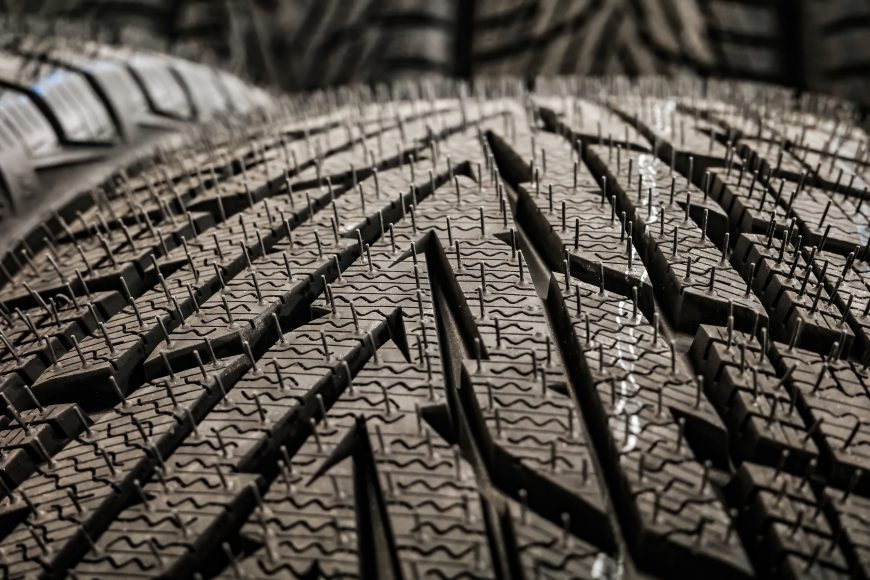
At first glance, tire treads may look like random, simple grooves cut into rubber. In reality, the tread on your tires is the result of decades of engineering, physics, and material science, all designed to do one thing exceptionally well: keep your vehicle connected to the road in changing conditions.
From dry pavement to rain-soaked highways and snow-covered streets, tire tread design plays a critical role in traction, braking, handling, and safety. Let’s take a closer look at how tire treads work, why they’re designed the way they are, and what the science says about their performance.
1. The Contact Patch: Where All the Science Happens
Despite their size, your tires only touch the road over an area roughly the size of a postcard per tire. This small area—called the contact patch—is where all acceleration, braking, and steering forces are transferred.
Tread design controls how effectively that contact patch can:
2. Why Grooves Matter: Water, Snow, and Hydroplaning
One of the primary functions of tire tread is water evacuation. If your tires didn’t evacuate water properly they would ride on a thin layer of water instead of the road surface, causing loss of control. That’s called hydroplaning. Tread grooves act as channels, pushing water away from the contact patch so rubber can maintain contact with the road to avoid hydroplaning.
Key facts:
3. Sipes: Tiny Cuts with a Big Job
Sipes are the small slits cut into tread blocks, and they play an outsized role in traction.
What Sipes Do:
4. Tread Blocks and Friction: Dry Road Grip
On dry pavement, traction comes primarily from rubber friction, not grooves. That’s why performance and summer tires have:
Larger tread blocks resist deformation during cornering and braking, improving steering response, cornering stability
and shorter stopping distances on dry roads
The trade-off? Less ability to evacuate water or grip snow.
5. Directional, Symmetric, and Asymmetric Treads
Different tread patterns are designed for different priorities:
Each design reflects a compromise between grip, comfort, noise, and longevity.
6. Tread Depth: Why Wear Matters More Than You Think
Tread depth isn’t just about longevity—it directly impacts safety.
Winter tires are especially sensitive: once tread depth drops below about 5/32″, their ability to grip snow and ice decreases sharply.
7. Snow, Slush, and Self-Cleaning Treads
In winter conditions, tire treads must do more than grip—they must clean themselves.
Winter tire tread designs use:
Ironically, snow sticking inside the tread can actually improve grip, because snow bonds well to snow—another reason winter tread designs are so specialized.
8. The Balancing Act of Tire Engineering
Every tire tread is a compromise between competing demands:
There is no “perfect” tread—only the right tread for the right conditions.
Final Thoughts: Why Tire Treads Matter More Than You Realize
Tire treads are far more than patterns—they are precision-engineered safety systems. Whether it’s channeling water at highway speeds, biting into ice on a winter morning, or maintaining grip during emergency braking, tread design plays a critical role in keeping you in control.
Understanding the science behind tire treads makes one thing clear: choosing the right tire—and maintaining proper tread depth—can make a measurable difference in safety, handling, and peace of mind.
If you’re ever unsure whether your tires are still up to the task, a professional inspection can help ensure your tread is working as hard as it should—no matter what the road throws your way. 🚗🛞
Winter brings beautiful scenery—but it also brings some of the most dangerous driving conditions of the year. Fortunately, Big O Tires was built for winter and we know a thing or two about winter driving! And we know that snow-covered roads, black ice, reduced visibility, and freezing temperatures all increase the risk of collisions. Whether you’re commuting to work or heading out for a winter road trip, safe driving in snow and ice requires preparation, patience, and proper technique. So here are our essential winter driving tips to help you stay safe all season long.
Make sure your vehicle is ready:
Speed is the number one factor in winter accidents. On snow and ice:
Remember: four-wheel drive helps you go, but it doesn’t help you stop.
Sudden movements can quickly lead to a loss of control on ice.
If your vehicle is equipped with ABS (anti-lock braking system), apply firm, steady pressure to the brake pedal and let the system do the work.
Even careful drivers can encounter black ice or sudden loss of traction. If your vehicle begins to skid:
Once traction returns, gradually straighten your steering and continue slowly.
Bridges, overpasses, and shaded roadways freeze faster than open pavement because cold air circulates above and below them. Even if the rest of the road looks clear, these surfaces may still be icy. Approach them slowly and avoid sudden steering or braking.
Good visibility is just as important as traction:
Snow blowing off your roof can blind drivers behind you and is dangerous.
Hills and intersections are high-risk areas in winter.
If you become stranded in extreme cold, a winter kit can be life-saving. Include:
Check out this link for some more great advice from our own Big O Tires rally driver, Mark Jennings-Bates for putting together a roadside emergency kit! https://youtu.be/Y35-AW4dpcs?si=h5x3lFrolJaf5ND8
Cruise control can cause your wheels to spin suddenly if traction changes. Always maintain full control of your speed with the accelerator in winter conditions.
Sometimes the safest decision is simply to stay off the road. During severe storms, white-out conditions, or freezing rain alerts, consider delaying travel whenever possible.
Final Thoughts
Winter driving doesn’t have to be frightening—but it does require respect for the road and the conditions. By preparing your vehicle properly, adjusting your driving habits, and staying alert at all times, you significantly reduce your risk of accidents on snow and ice. And if you want to make sure your vehicle is fully prepared for whatever winter driving you have planned this winter, just swing by our Big O Tires shop in Notrth Vancouver and we’ll give your vehicle a thorough check-up!
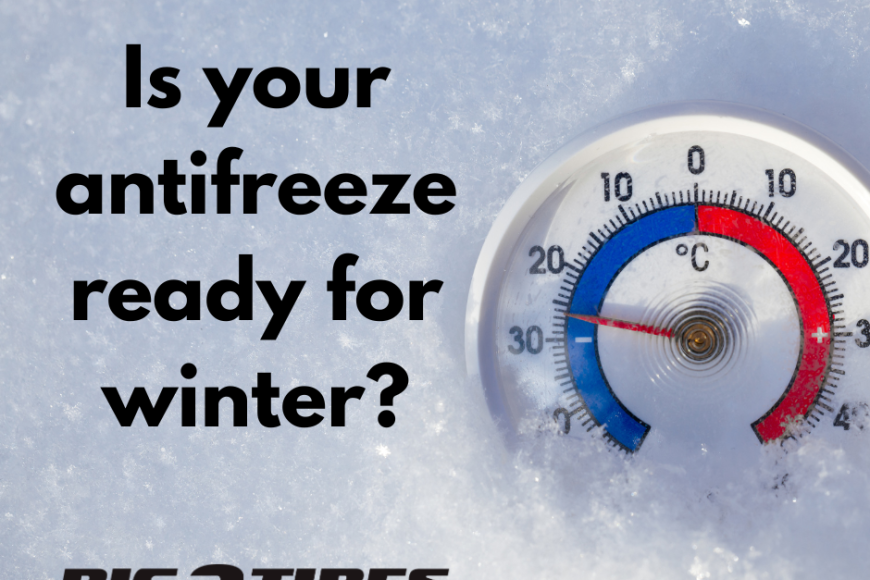
Understanding Antifreeze: Your Engine’s Winter Lifesaver
As the temperatures start to drop, drivers across BC prepare their vehicles for winter—installing snow tires, checking batteries, and topping up fluids. But one critical maintenance step that’s often overlooked is checking your antifreeze, also known as coolant. This colorful liquid plays a crucial role in keeping your engine running smoothly through both the freezing cold and the summer heat.
What Antifreeze Does
Antifreeze is a specially formulated liquid that circulates through your vehicle’s engine and radiator to regulate temperature. It prevents the engine from freezing in cold weather and overheating in hot weather—two conditions that can cause severe engine damage. By lowering the freezing point and raising the boiling point of the cooling system, antifreeze ensures that your engine maintains a stable, safe operating temperature year-round.
Why It’s So Important
Without the proper coolant mix, your engine could suffer from corrosion, rust buildup, or even cracked components. Modern engines rely heavily on precise temperature control, and even minor overheating can lead to warped parts or gasket failures. Likewise, if coolant freezes inside the block, it can expand and cause catastrophic cracking.
Most experts recommend a 50/50 mix of antifreeze and distilled water for optimal performance, but extreme climates may require slightly different ratios. Always check your owner’s manual or ask us at Big O for the right balance for your vehicle.
Signs You Might Have a Problem
If you notice sweet-smelling vapors, visible leaks, or your temperature gauge creeping higher than usual, it could mean your antifreeze is low or deteriorated. Over time, coolant breaks down and loses its ability to protect the engine effectively. Our Big O team typically recommend a coolant flush every 2–4 years, depending on the vehicle and driving conditions.
Choosing the Right Antifreeze
There isn’t a one-size-fits-all formula—different vehicles require different types of antifreeze. Some are designed for aluminum engines, while others are meant for specific manufacturer standards like Dex-Cool or HOAT. Mixing incompatible types can reduce performance or even cause sludge buildup, so be sure to use the correct one for your car.
The Bottom Line
Antifreeze is one of the simplest yet most essential parts of your vehicle’s maintenance routine. Keeping your coolant fresh and properly balanced protects your engine, prevents costly repairs, and ensures your car is ready to handle whatever the weather brings.
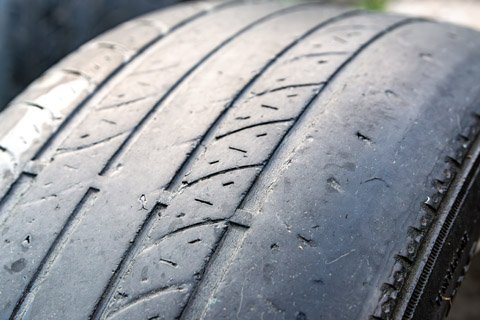
Tires are the only point of contact between a vehicle and the road, making them critical for safety, handling, and efficiency. Yet, many drivers overlook the importance of monitoring tire wear until it becomes a serious issue. Uneven or excessive wear not only reduces tire life but also affects braking, fuel economy, and overall vehicle performance. Understanding why tire wear happens, what signs to look for, and how to prevent it can save drivers money and keep them safer on the road.
Several factors contribute to how and why tires wear down:
Identifying the type of wear helps pinpoint the underlying problem:
Regularly checking tread depth is also crucial. A simple test is the “penny test”: insert a penny into the tread groove with Lincoln’s head upside down. If you can see the top of his head, the tread depth is too low, and the tire should be replaced.
Fortunately, preventing tire wear is straightforward with consistent maintenance:
Tire wear is inevitable, but how quickly and unevenly it occurs is largely within a driver’s control. By paying attention to inflation, alignment, and driving habits, motorists can extend tire life, improve safety, and reduce long-term costs. Tires are an investment in both performance and protection—treating them with care ensures that every mile is safer and more efficient. If you’re unsure about how much tread life you have left in your tires, visit our shop and we’ll check them out for you. And if you need new tires, especially winters, now is the time to swing by. We have BIG rebates on tires right now! Check them out here.