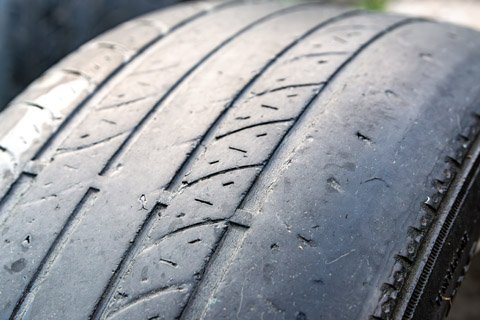
Tires are the only point of contact between a vehicle and the road, making them critical for safety, handling, and efficiency. Yet, many drivers overlook the importance of monitoring tire wear until it becomes a serious issue. Uneven or excessive wear not only reduces tire life but also affects braking, fuel economy, and overall vehicle performance. Understanding why tire wear happens, what signs to look for, and how to prevent it can save drivers money and keep them safer on the road.
Common Causes of Tire Wear
Several factors contribute to how and why tires wear down:
- Improper Inflation – Underinflated tires cause more wear on the outer edges, while overinflated tires wear down the center tread faster. Maintaining the manufacturer-recommended tire pressure is key to balanced wear.
- Wheel Alignment Issues – Misaligned wheels cause uneven wear patterns, often noticeable on just one edge of the tire. Alignment problems usually stem from hitting curbs, potholes, or normal suspension wear.
- Driving Habits – Aggressive driving, hard braking, and fast cornering all accelerate tire wear. Smooth driving extends tire life and improves fuel efficiency.
- Rotation Neglect – Tires wear differently depending on their position on the vehicle. Failing to rotate tires regularly can leave some worn down faster than others.
- Mechanical Problems – Worn suspension components, faulty shocks, or bent steering parts can all create abnormal wear patterns.
Recognizing Tire Wear Patterns
Identifying the type of wear helps pinpoint the underlying problem:
- Center Wear – Usually caused by overinflation.
- Edge Wear – Often the result of underinflation or poor alignment.
- Cupping or Scalloping – Indicates suspension or balance issues.
- Feathering – A telltale sign of alignment problems.
- Uneven Wear – Suggests neglected rotations or mechanical faults.
Regularly checking tread depth is also crucial. A simple test is the “penny test”: insert a penny into the tread groove with Lincoln’s head upside down. If you can see the top of his head, the tread depth is too low, and the tire should be replaced.
Preventing Premature Tire Wear
Fortunately, preventing tire wear is straightforward with consistent maintenance:
- Check Pressure Monthly – Proper inflation is one of the easiest and most effective ways to prolong tire life.
- Rotate Tires – Most manufacturers recommend rotation every 5,000 to 7,500 miles.
- Schedule Wheel Alignments – Having alignment checked at least once a year, or after hitting a large pothole, can prevent uneven wear.
- Inspect Suspension and Steering – Replacing worn parts keeps tires in better contact with the road.
- Drive Smoothly – Avoiding sudden stops and sharp turns helps maintain even wear.
Tire wear is inevitable, but how quickly and unevenly it occurs is largely within a driver’s control. By paying attention to inflation, alignment, and driving habits, motorists can extend tire life, improve safety, and reduce long-term costs. Tires are an investment in both performance and protection—treating them with care ensures that every mile is safer and more efficient. If you’re unsure about how much tread life you have left in your tires, visit our shop and we’ll check them out for you. And if you need new tires, especially winters, now is the time to swing by. We have BIG rebates on tires right now! Check them out here.